Bugle Trumpet Bluework Embroidery Review
A First Look at Bugle Trumpet Bluework
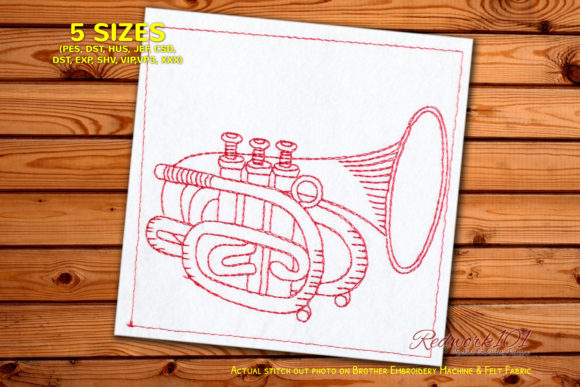
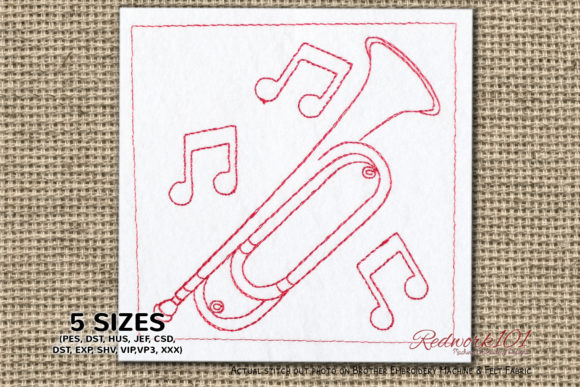
When I first saw Bugle Trumpet Bluework, I was struck by its clean, minimalist aesthetic. The design has a subtle yet striking visual presence, with a focus on negative space and the elegant use of box stitches. It feels like it belongs in a world where music and craftsmanship intersect—something that would work well for a boutique or a small shop focused on musical themes.
The mood this design creates is refined and timeless. It’s not overly busy, which makes it perfect for projects where you want to add just enough detail without overwhelming the fabric. The shape of the trumpet is simple but expressive, and the way the bluework is laid out gives it a sense of movement and depth.
Real-Life Use: Custom Tote Bag Design
Let’s imagine using Bugle Trumpet Bluework on a custom embroidered tote bag. This is a common project for Etsy sellers and craft businesses looking to create branded merchandise or personalized gifts. When I think about how this design would look stitched onto a canvas tote, I envision it as a subtle yet stylish accent—perhaps placed near the bottom corner or centered on the front.
The design’s simplicity works well here because it doesn’t compete with the texture of the canvas. However, I would test it on scrap fabric first to see how the thread colors contrast against the background. If the tote is a neutral color, the bluework will stand out nicely. But if the fabric is dark or textured, I might need to adjust the thread choice or add a stabilizer to ensure clarity.
I also consider how this design would perform on stretchy fabrics. Since the trumpet shape has curves, there's a risk of distortion unless the right hoop size and stabilizer are used. For tote bags, I’d recommend a larger hoop and medium-weight cutaway stabilizer to keep the stitches crisp and prevent puckering.
Where to Use Bugle Trumpet Bluework with Caution
Bugle Trumpet Bluework is a versatile design, but it’s not suitable for every embroidery project. Here are some scenarios where extra care is needed:
- Small Hoop Sizes: The trumpet’s dimensions may require a larger hoop than standard sizes, so check the recommended hoop size before starting.
- Dark Fabrics: While the design can work on dark backgrounds, the bluework may lose some of its visual impact unless high-contrast thread colors are used.
- Curved Surfaces: Using this design on caps or curved items could be tricky due to the trumpet’s shape. A hoop that allows for proper tension and placement is essential.
- Dense Stitch Areas: If the design includes detailed corners or intricate lines, ensure your machine can handle the stitch density without overheating or causing skipped stitches.
Visual Appeal and Practical Value
One of the biggest advantages of Bugle Trumpet Bluework is its ability to elevate the look of handmade products. Whether it's a baby item, a holiday gift, or a commercial product, this design adds a touch of sophistication. It’s especially effective when paired with other elements, like lettering or additional motifs, to create a cohesive theme.
For an Etsy seller or a small shop owner, this design can be a great addition to their portfolio. It’s ideal for creating personalized gifts, such as embroidered patches, aprons, or even nursery decor. Its subtle charm ensures it appeals to a wide audience, from music lovers to those who appreciate fine craftsmanship.
When considering Bugle Trumpet Bluework for commercial use, it’s important to confirm licensing terms. As with any digital embroidery file, make sure you have the rights to sell finished products or digital assets based on this design. Always review the terms provided by the designer or vendor.
Embroidery Designer Notes
Here are some practical tips for working with Bugle Trumpet Bluework:
- Test on Scrap Fabric: Before committing to a final product, stitch the design on a scrap piece of fabric similar to your project material. This helps identify any potential issues with stitch density or thread visibility.
- Check Thread Contrast: Ensure the thread colors provide enough contrast against the fabric. If the fabric is light, black or navy blue thread might work best. For darker fabrics, try lighter shades.
- Review Stitch Density: If the design includes fill stitches or satin stitches, check that they don’t cause puckering or fabric distortion. Adjust the stitch density if necessary.
- Use Proper Stabilizer: Especially on stretchy or thin fabrics, a good stabilizer can make all the difference in achieving a professional finish.
- Consider Mockups: Test the design in black and white mockups to see how it looks on different fabric types and backgrounds. This helps in making informed decisions before production.
Bugle Trumpet Bluework is a design that speaks volumes with minimal effort. It’s not loud or overcomplicated, but it has a quiet confidence that makes it stand out. Whether you're an experienced embroiderer or just getting started, this design offers a lot of creative potential. Just remember to approach it with care and test it thoroughly before moving forward with larger or commercial projects.